
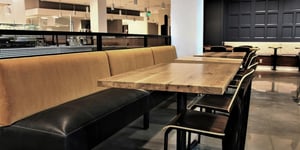
From coastal cafés to urban wine bars, Australia’s hospitality venues are evolving fast—and furniture is leading the charge. In 2025, restaurant owners aren’t just choosing chairs and tables—they’re curating experiences. At Amesa Interiors, we’re seeing a bold shift toward furniture that’s flexible, expressive, and built to perform. Here’s what’s trending across the country’s most memorable dining spaces.
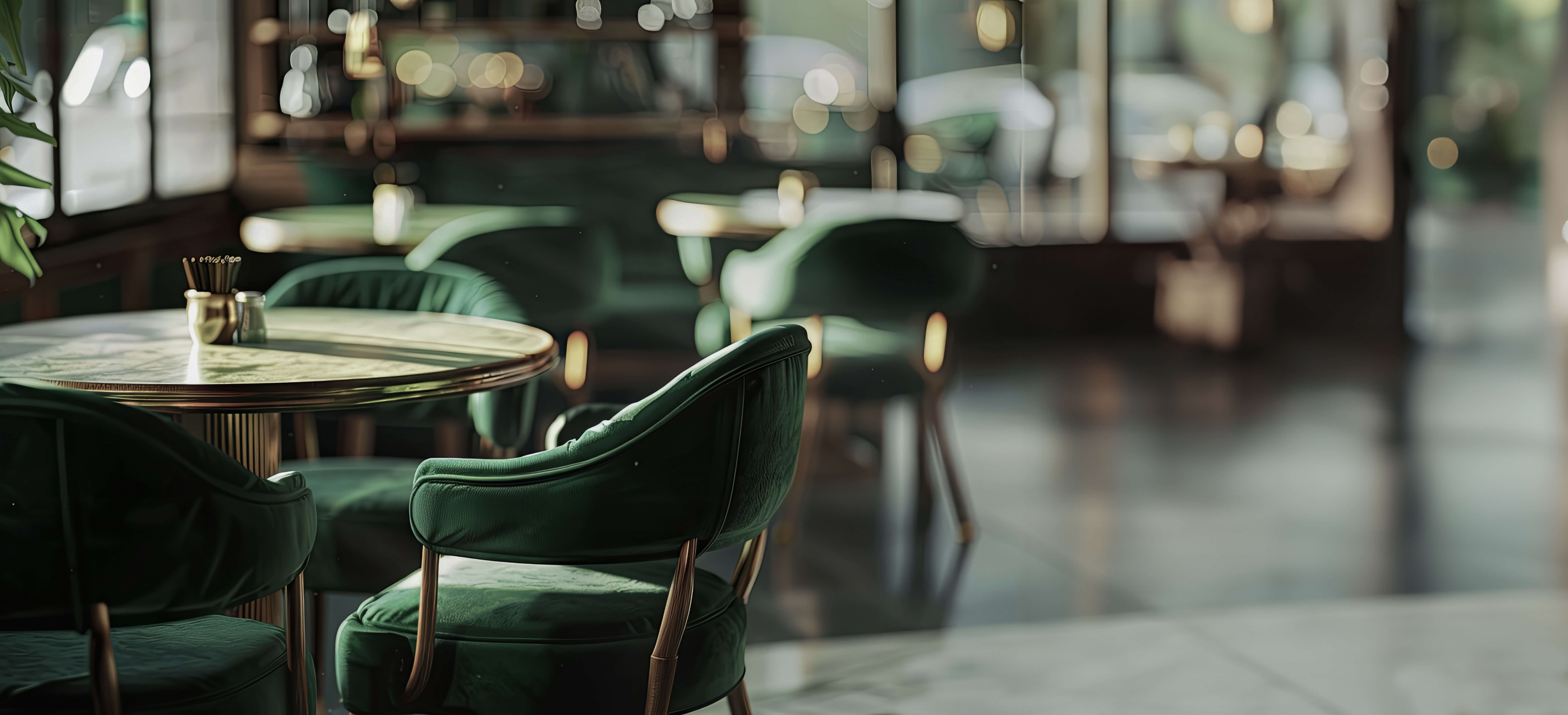
1. Circular Dining Tables: Connection Over Convention
Round tables are making a comeback, and for good reason. They:
- Encourage conversation and inclusivity
- Fit snugly into compact layouts
- Eliminate the “head of the table” hierarchy
Statement pedestal bases and sculptural legs are replacing traditional four-legged designs, adding visual impact without sacrificing space.
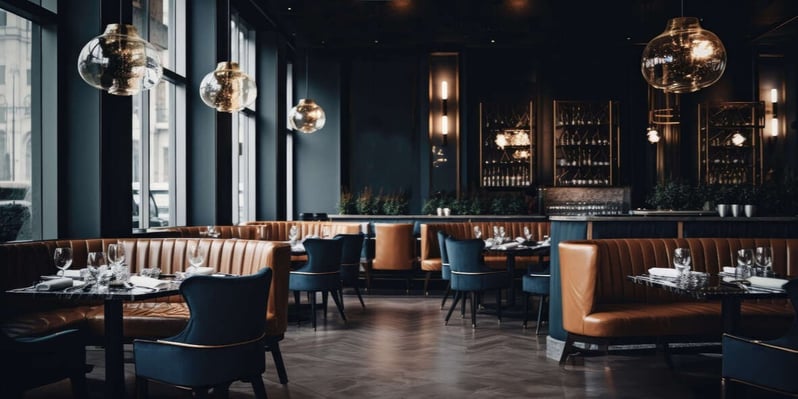
2. Mix-And-Match Styling: Personality Wins
Uniformity is out—eclecticism is in. Venues are embracing:
- Contrasting textures like timber, metal, and velvet
- A blend of seating styles (banquettes, stools, armchairs)
- Layered colour palettes that reflect brand identity
This curated chaos creates a memorable aesthetic and gives diners a sense of choice and comfort.
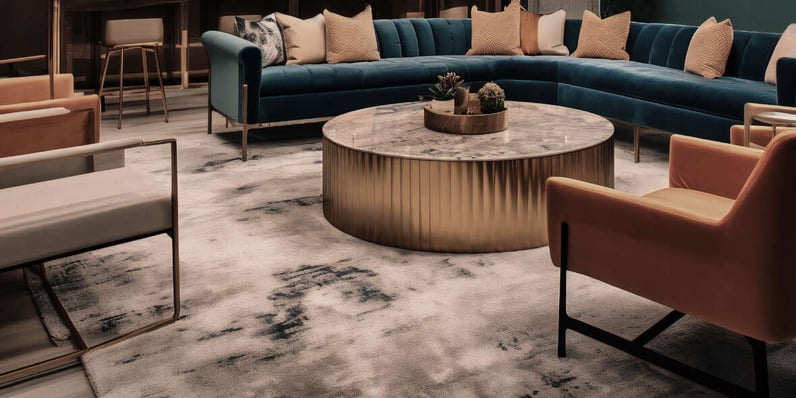
3. Lounge Zones & Sofa Seating: Comfort Is King
Restaurants are borrowing cues from cafés and co-working spaces by adding:
- Plush lounges for pre-dinner drinks or casual dining
- Waiting areas with soft seating to ease reservation delays
- Flexible zones that double as workspaces for remote diners
These additions encourage longer stays and repeat visits—especially among work-from-home patrons looking for a change of scenery.
4. Organic Materials & Shapes: Nature-Inspired Design
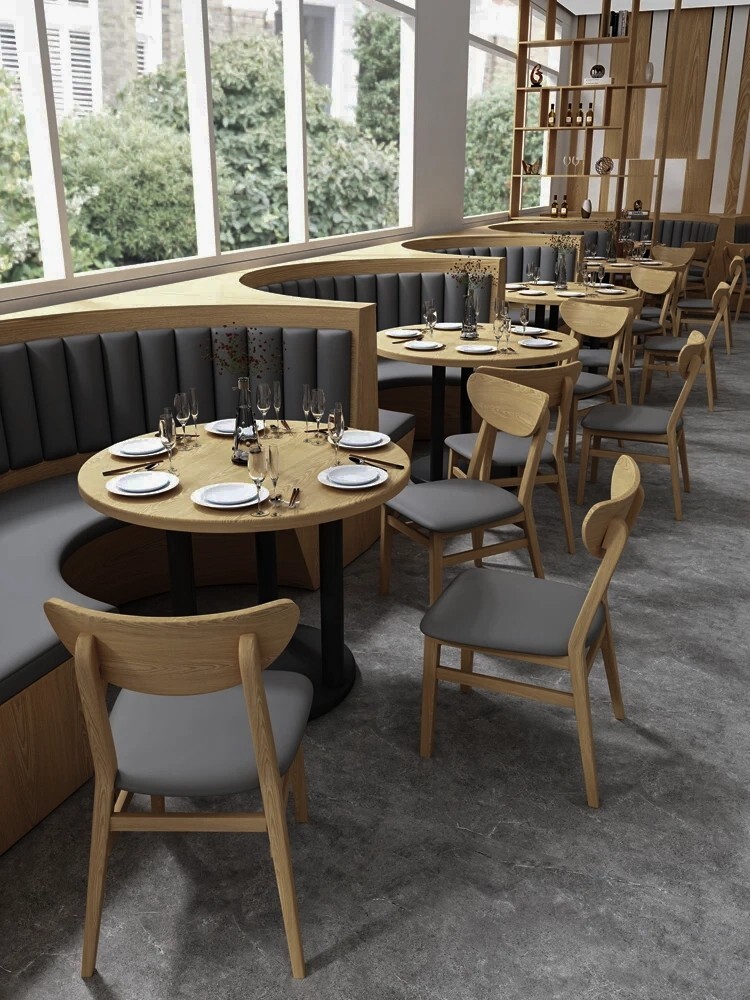
Furniture is going back to its roots—literally. Expect to see:
- Timber, rattan, and bamboo finishes
- Irregular silhouettes and live-edge tables
- Earthy tones and tactile surfaces
This biophilic approach fosters calm and connection, aligning with broader wellness trends in hospitality.
5. Comfort-First Seating: Stay-Longer Strategy
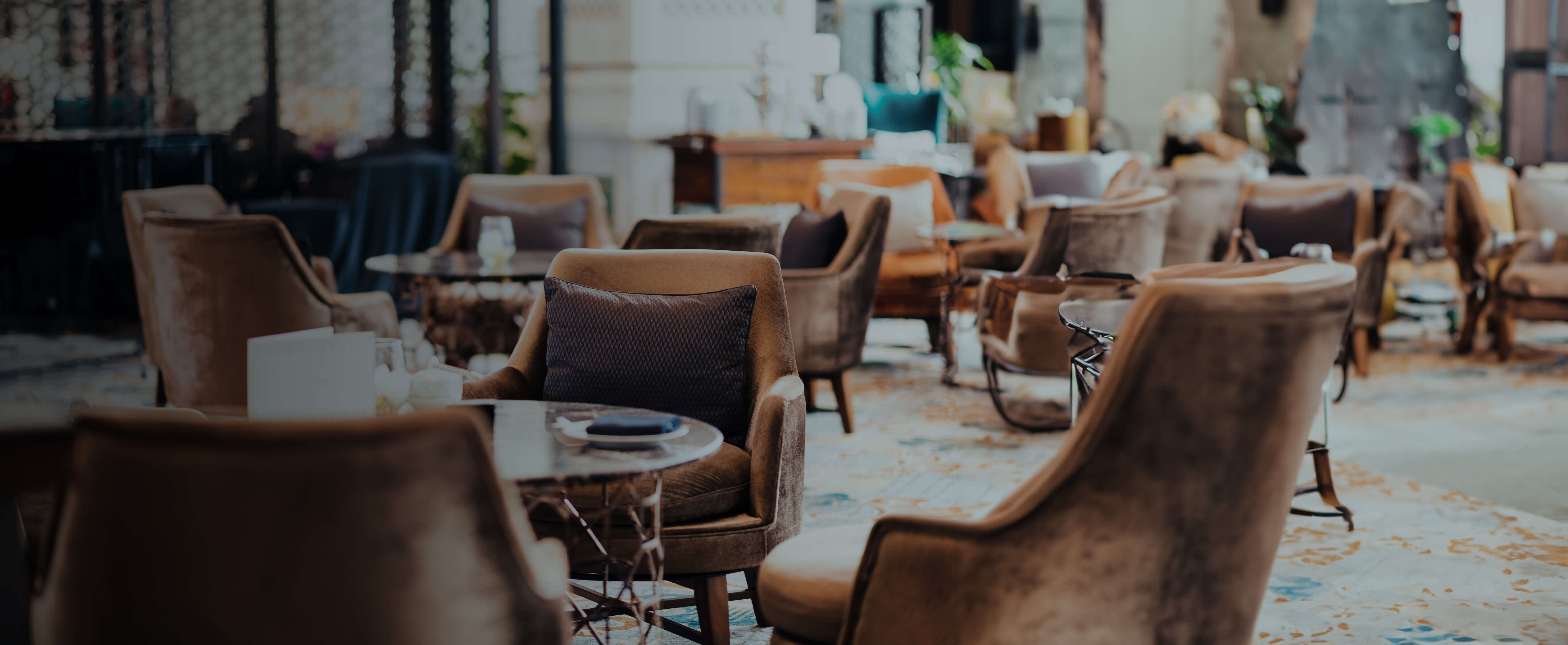
With diners spending more time in venues, comfort is non-negotiable. Restaurants are investing in:
- Ergonomic chairs with padded seats and supportive backs
- Upholstery that balances softness with durability
- Seating that accommodates both dining and working
Comfortable guests stay longer—and spend more.
6. Sustainability As Standard
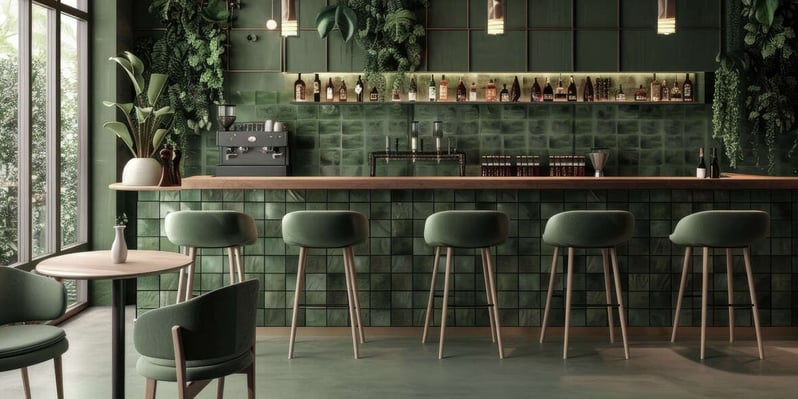
Eco-conscious design is no longer niche—it’s expected. Venues are choosing:
- Locally sourced and recycled materials
- Modular furniture that adapts and lasts
- Suppliers with transparent sustainability credentials
Customers are actively seeking greener choices, and furniture is a visible way to show commitment.
7. Modular & Multi-Use Layouts
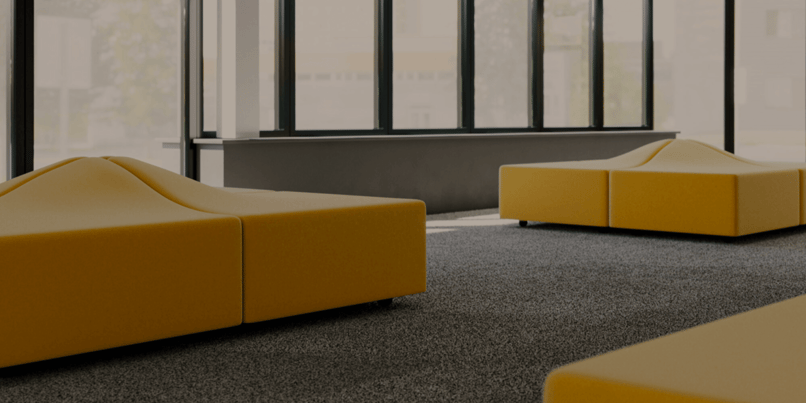
Flexibility is key in 2025. Restaurants are embracing:
- Stackable chairs and foldable tables for event versatility
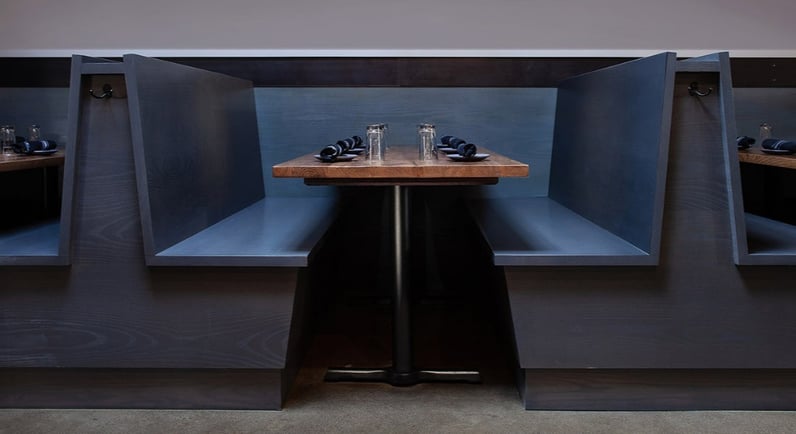
- Booths that convert into private dining zones
- Furniture that transitions between indoor and outdoor use
This adaptability supports seasonal shifts, pop-ups, and evolving business models.
8. Tech-Integrated Furniture
Smart furniture is entering the dining room. Look out for:
- Tables with built-in charging stations
- Seating zones with QR code ordering and digital menus
- Acoustic booths with lighting and ventilation controls
These features enhance convenience and streamline operations—especially in venues embracing AI and automation.
Amesa Interiors: Designing What’s Next
At Amesa Interiors, we help hospitality venues stay ahead of the curve with:
- Custom furniture solutions tailored to your brand
- Sustainable materials that meet performance demands
- Modular layouts that flex with your business
Whether you're refreshing a wine bar or launching a new dining concept, we’ll help you create a space that’s stylish, strategic, and unforgettable.
Final Thought: Furniture That Feeds The Experience
In 2025, restaurant furniture isn’t just about seating—it’s about storytelling. It shapes how guests feel, interact, and remember your venue. Let’s design a dining experience that’s as bold and beautiful as the food you serve.